

Walk In Cooler and Freezer Combination Guide for LA Restaurants
A walk in cooler and freezer combination is a smart, all-in-one refrigeration setup. It's a single unit with two distinct compartments, each with its own temperature controls—one for chilling, one for freezing. This two-in-one design saves a ton of space and energy, making it an absolute must-have piece of restaurant equipment for any efficient commercial kitchen in Los Angeles.
The Secret Weapon of Successful LA Kitchens
In the cutthroat Los Angeles food scene, every square foot of your kitchen and every dollar in your budget is precious. Whether you’re running a packed Korean BBQ joint in Koreatown, a busy Mexican food truck slinging tacos in East LA, or a Thai kitchen in Hollywood, your success often comes down to how efficiently you operate and the quality of your ingredients. This is where investing in a walk in cooler and freezer combination can completely change the game for your restaurant.
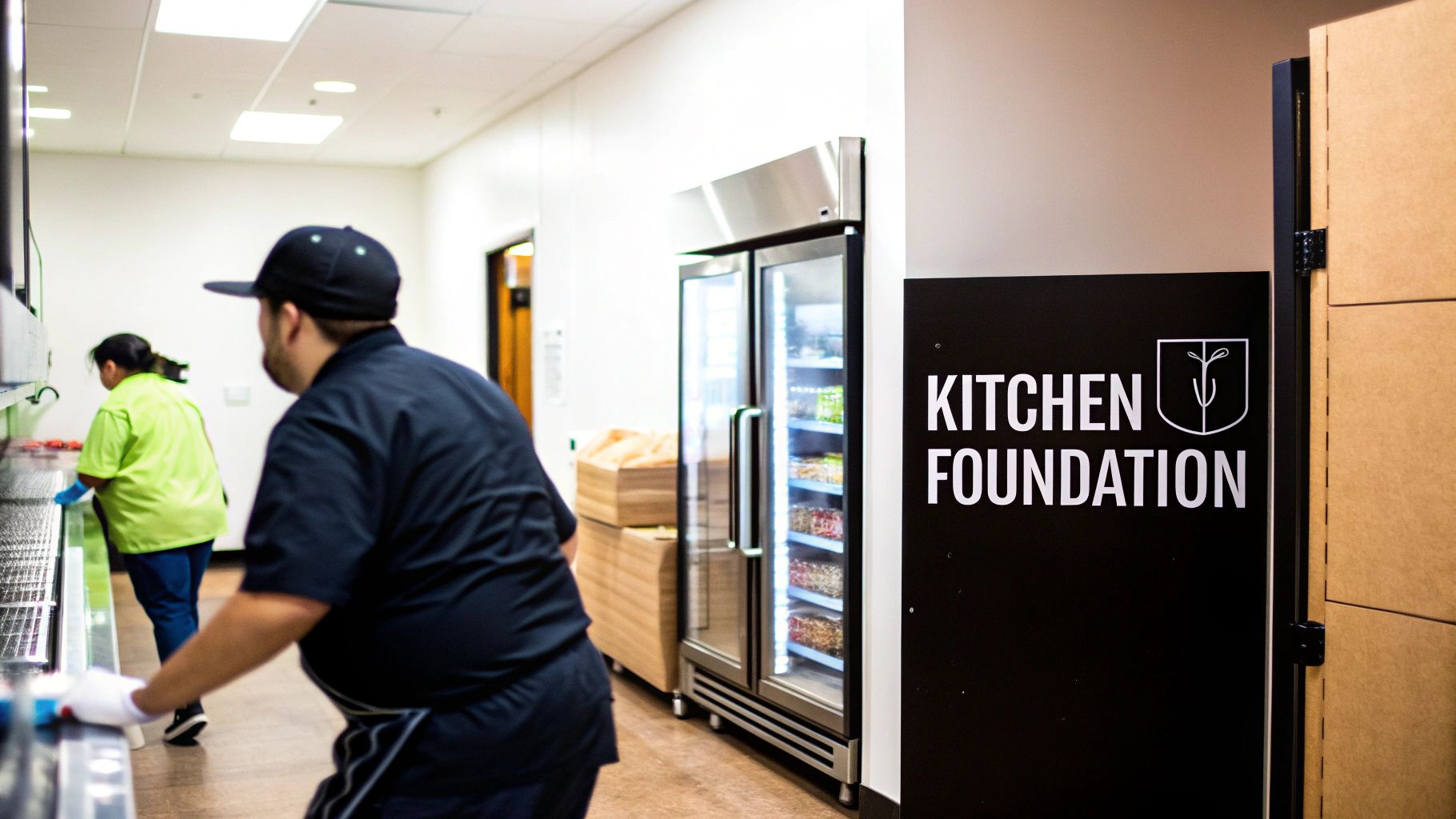
Don't just think of this unit as another fridge. See it as the heart of your kitchen's operations. It’s a key piece of equipment that directly boosts your bottom line by making the most of that expensive LA real estate. By combining two temperature zones into a single footprint, you free up floor space for more prep tables, commercial refrigerators, or another fryer.
Why It's a Must-Have for LA's Diverse Cuisines
The real magic of a combo unit is how well it supports the incredible variety of LA's food landscape. A Japanese restaurant can keep its high-end, delicate fish perfectly chilled while stocking bulk frozen edamame and shrimp right next door. Similarly, a Chinese restaurant can store fresh produce for daily service while having all its frozen dumplings and meats stored for the long haul.
This dual-function setup lets you:
- Manage Diverse Inventory: Effortlessly store everything from fresh bok choy for a Chinese stir-fry to frozen kimbap for a Korean spot, all in one place.
- Guarantee Food Safety: Keep precise, separate temperatures to stay on the right side of health codes, protecting both your customers and your reputation.
- Reduce Food Waste: Proper storage means longer shelf life for your pricey ingredients, cutting down on spoilage and saving you money.
A well-organized walk-in combination unit is more than just cold storage; it's an inventory management system that gives LA restaurateurs a significant competitive edge by improving workflow, ensuring consistency, and maximizing profitability.
At the end of the day, ditching the old model of separate units for a single, unified system is a huge step toward building a smarter, more successful Los Angeles restaurant. It's the secret weapon behind kitchens that crank out quality food, day in and day out.
How Walk In Combo Units Actually Work
Think of a walk in cooler and freezer combination less like a single appliance and more like a custom-built duplex for your food. It’s a simple but brilliant idea: two separate temperature zones—one for chilling, one for deep freezing—sharing a common, insulated wall. A coordinated refrigeration system powers the whole thing, all within a single footprint.
This smart design is a massive space-saver, which is worth its weight in gold for any Los Angeles restaurant. For a Koreatown spot that needs to store fresh kimchi and frozen bulgogi, or a tiny food truck in Silver Lake juggling fresh produce and frozen patties, this is a game-changer. You don't need two separate, hulking units, which frees up precious real estate for other essential restaurant equipment.
The Two Main Designs for LA Kitchens
When you start shopping for a walk-in combo, you’ll mainly find two different setups. Each one is built for a different kitchen flow, so picking the right one comes down to how your team operates.
- Side-by-Side Model: This is what you'll see most often. Picture two doors, right next to each other. One opens to the cooler, the other to the freezer. It’s perfect for busy kitchens where chefs need to grab things from both sides at once. A bustling Thai restaurant can pull fresh lemongrass from the cooler and frozen shrimp from the freezer in one quick stop.
- Pass-Through (or Tunnel) Configuration: This design is a bit more strategic. It has doors on opposite ends, basically creating a refrigerated tunnel between two different parts of your restaurant. You could have a door in your receiving area to unload deliveries straight into the unit, and another door on the other side that opens right onto your prep line. It’s all about streamlining how inventory moves through your kitchen.
Understanding the Space and Energy Advantage
That shared internal wall is where the magic really happens. By putting the freezer and cooler right next to each other, the system isn’t fighting the kitchen's ambient heat on all four sides. The freezer helps keep one wall of the cooler cold, and the cooler acts as a buffer for the freezer. This teamwork leads to some serious energy savings compared to running two separate commercial refrigerators and freezers.
The real beauty of a walk-in cooler and freezer combination is how it maximizes both space and energy. By merging two critical functions into one unit, LA restaurateurs can cut their utility bills and design a smarter, faster kitchen layout.
It’s also why most of these units are installed indoors. In fact, the indoor segment of the walk-in market is on track to hold a massive 69.4% market share by 2025 because it's just more practical. You don't have to pour expensive concrete foundations or worry about weatherproofing like you would with an outdoor unit.
Getting the right configuration, like the ones you’ll find in our American Walk-In Coolers Combo Box, can completely change how your kitchen runs. Once you understand these basic designs, you can pick a unit that doesn’t just store your food, but actually makes your whole operation smoother.
Sizing Your Unit for Your LA Restaurant's Menu
Picking the right size for a walk in cooler and freezer combination is easily one of the most critical decisions you'll make for your Los Angeles spot. This goes way beyond just making sure it fits in the back. Get this right, and you're setting yourself up for smooth operations and future growth. Get it wrong, and you'll either be scrambling for space during a rush or paying to cool a bunch of empty air.
Think of your walk-in as a parking garage for your ingredients. A small Thai food truck might only need a small "lot" for a few key items that get delivered all the time. But a huge Japanese restaurant in Downtown LA? They need a massive, well-planned space to park giant tuna loins and pallets of frozen gyoza. Your menu is the blueprint for this garage.
Calculating Your True Storage Needs
Before you even start looking at standard sizes, you need to get real about what your kitchen actually needs. It’s not just about square footage; it's about how your ingredients move from the delivery truck to the prep station.
Here's what you need to think about:
- Menu Complexity: A Korean BBQ joint with a dozen different banchan and all sorts of marinated meats is going to need a lot more cold storage than a simple pizzeria. The more ingredients you have, the bigger your "garage" needs to be.
- Delivery Schedule: How often are your suppliers showing up? If you're a Mexican restaurant getting fresh produce delivered daily, you might get away with less cooler space. On the other hand, a Chinese restaurant buying frozen dumplings and seafood in bulk once a week will need way more freezer real estate.
- Peak Service Volume: Always, always plan for your busiest night. A walk-in that seems roomy on a sleepy Tuesday can turn into a nightmare on a slammed Saturday. You have to size for your peak, not your average.
The real goal here is to find that perfect balance. You need enough room to work efficiently and grow a bit, but you don't want to throw money away on space you'll never use. The right size walk-in is a direct investment in your kitchen's workflow and your restaurant's bottom line.
This quick flowchart can help you start thinking about what your main priority is for the unit.
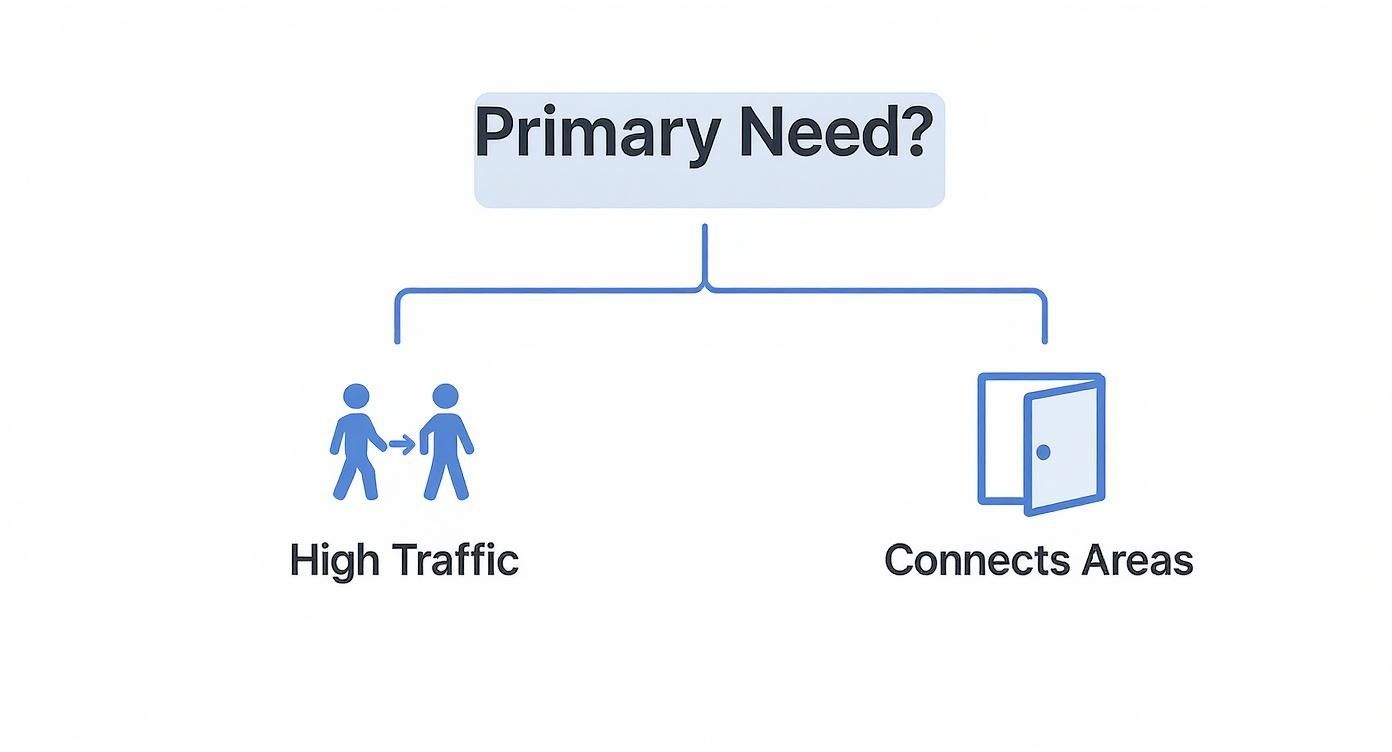
It’s a simple way to figure out if you're looking for something that can handle constant in-and-out traffic or a unit that acts as a bridge between different parts of your kitchen.
To give you a starting point, we've put together a quick guide based on common restaurant types we see here in LA.
Sizing Guide for Common LA Restaurant Types
This table offers some ballpark estimates to help you visualize what might work for your concept. Remember, these are just starting points—your specific menu and delivery schedule are what truly matter.
| Restaurant Type (Cuisine) | Seating Capacity | Estimated Walk-In Size (sq. ft.) | Suggested Cooler/Freezer Ratio |
|---|---|---|---|
| Farm-to-Table Californian | 50-75 seats | 80 - 120 sq. ft. (e.g., 8'x10', 8'x12') | 80% Cooler / 20% Freezer |
| Busy Taco Shop / Mexican | 40-60 seats | 64 - 100 sq. ft. (e.g., 8'x8', 10'x10') | 60% Cooler / 40% Freezer |
| High-Volume Pizzeria | 80-100 seats | 100 - 150 sq. ft. (e.g., 10'x10', 10'x15') | 50% Cooler / 50% Freezer |
| Korean BBQ / Asian Fusion | 100-150 seats | 120 - 200 sq. ft. (e.g., 10'x12', 10'x20') | 50% Cooler / 50% Freezer |
Use this as a reference, but make sure to do a detailed inventory analysis before making a final decision. Your food distributor can often be a great resource for helping with these calculations.
Standard Sizes vs Custom Builds
Once you know roughly how much space you need, you'll hit a fork in the road: go with a standard "quick ship" box or get a custom build. Standard sizes like a 6'x8' or 8'x10' are usually cheaper and get to you faster, which is a huge plus for new restaurants trying to get open.
But let's be honest, a lot of LA kitchen spaces are weird. They're crammed into old buildings with strange layouts. That's where a custom-built walk in cooler and freezer combination becomes a lifesaver. You can design it to fit around a pesky support beam or tuck perfectly into an L-shaped corner. It costs more upfront, but the efficiency you gain from a unit that's made just for your space is often worth every penny.
Finding the Perfect Cooler-to-Freezer Ratio
This might be the most important part of the whole sizing puzzle: figuring out the split between your cooler and freezer. This is 100% driven by what's on your menu.
- A farm-to-table place in Santa Monica that's all about fresh produce will lean heavily on the cooler, probably dedicating 70-80% of the space to refrigeration.
- But a Chinese restaurant that depends on frozen dumplings, wontons, and seafood might need a 50/50 split, or maybe even more freezer space.
Take a busy Thai kitchen, for instance. They might go for a 60/40 cooler-to-freezer ratio. The cooler side would be packed with fresh herbs, curry pastes, and coconut milk, while the freezer holds all the bulk proteins like chicken and shrimp. Thinking through your inventory at this level of detail is what separates a good investment from a great one.
Choosing Your Refrigeration and Insulation System
Once you’ve settled on the right size and layout for your walk in cooler and freezer combination, it's time to pick out the engine. The refrigeration and insulation systems are truly the heart and lungs of your unit. They directly control its performance, how much energy it uses, and what you’ll be paying on your monthly utility bill. Getting this right is a huge deal for any Los Angeles restaurant owner trying to keep costs down and food quality high.
Here’s an easy way to think about it: your refrigeration system makes the cold, and the insulation keeps it from getting out. It's just like a well-built house. Good insulation stops the cool air from escaping, which means your system doesn't have to work nearly as hard—saving you real money.
Self-Contained vs. Remote Refrigeration
Your first big decision is whether to go with a self-contained or a remote refrigeration system. They both have their pros and cons, and the best choice really depends on your kitchen’s setup and how much heat and noise you can handle.
-
Self-Contained Systems: Picture a window A/C unit. A self-contained system has everything—the compressor, condenser, and evaporator—all packed into one box, usually sitting on top or on the side of the walk-in. This makes installation much simpler and often cheaper upfront. The downside? It blows heat and noise right back into your kitchen, which can be a real headache in a busy LA kitchen during a summer heatwave.
-
Remote Systems: This setup is more like the central air conditioning in your home. The parts that make all the noise and heat (the condenser and compressor) are installed outside the building, maybe on the roof or in an alley. This keeps your kitchen much cooler and quieter, creating a better environment for your staff to work in. While it costs more to install initially, the long-term perks in comfort and energy savings often make it the better choice for established restaurants.
The Power of High-Quality Insulation
Insulation is your best friend when it comes to fighting high energy bills. Its effectiveness is measured by its R-value, which tells you how well it resists heat. A higher R-value means better insulation, and for a freezer that has to stay below zero, that's something you just can't compromise on.
You'll generally run into two main kinds of foam insulation:
- Polyurethane: This is the gold standard for walk-in coolers and freezers. It has a very high R-value (around R-28 to R-32 for a typical 4-inch panel), making it incredibly good at keeping the cold air where it belongs.
- Polystyrene: You won't see this as often in new combo units. Polystyrene has a lower R-value and is usually found in older or cheaper models. When you're dealing with the demands of a freezer, polyurethane is almost always the way to go.
Spending a bit more on high-quality polyurethane insulation with a solid R-value is one of the smartest moves a restaurant owner can make. It doesn't just lower your energy bills; it also makes sure your unit meets California's tough energy codes, protecting your wallet from day one.
This push for efficiency is a big reason the commercial refrigeration market is booming. The U.S. walk-in cooler and freezer market is expected to grow from USD 5.8 billion in 2025 to USD 8.7 billion by 2035. California is a major player in this growth, thanks to the state’s focus on energy-efficient restaurant equipment.
Picking the right insulation and refrigeration setup makes sure your walk-in combo runs like a dream, keeps your food safe, and makes your kitchen workflow smoother. For a closer look at different models and what they offer, feel free to browse our collection of commercial freezers.
Navigating LA Permits and Installation
Putting a new walk in cooler and freezer combination in your Los Angeles kitchen is about more than just clearing a space for it. It's a whole process that needs solid planning, a good understanding of local codes, and the right pros on your team to keep things from getting expensive and delayed. Think of it like prepping your line before a dinner rush—getting everything in order beforehand is what makes the service smooth.
First things first, you need a site assessment. Before any panels even show up, you’ve got to be sure your spot is ready. This means checking that your floor can handle the serious weight of a fully loaded walk-in and that your electrical panel is up to the task of powering the refrigeration system without blowing a fuse. Skipping this step is like building on a shaky foundation; it’s just asking for trouble later on.
You also can't overlook proper ventilation, especially if your unit has a self-contained refrigeration system. These things kick out a lot of heat. Without enough airflow, that heat gets trapped, making your compressor work way harder than it should. This not only sends your DWP bill through the roof but can kill your system prematurely—a total nightmare for any LA restaurant.
Understanding the Los Angeles Permitting Process
In Los Angeles, any major equipment installation needs the city's stamp of approval. You'll mainly be working with two agencies, and knowing who does what is key to keeping the process moving.
- Los Angeles Department of Building and Safety (LADBS): These are the folks who look at your plans and hand out the building, electrical, and mechanical permits. They’re making sure your new walk-in is structurally sound and meets all safety codes.
- LA County Department of Public Health: Their job is all about food safety. They’ll come in for an inspection once everything is installed to make sure it meets health codes, like having surfaces that are easy to clean and holding the right temperatures.
Trying to get by without the right permits from both of them can lead to some massive fines and stop-work orders, which could completely shut down your restaurant's opening or renovation.
Untangling LA's web of building and health codes can feel like a full-time job, but it's a must-do. Your best move is to work with a licensed, experienced contractor who lives and breathes commercial refrigeration. They'll make sure every "i" is dotted and every "t" is crossed.
Finding Qualified Installers and Avoiding Hidden Costs
Not just any contractor will do. You need a team that knows their way around installing walk-in coolers in commercial kitchens all over Los Angeles. A real pro won't just set up the box; they'll handle the permit applications and coordinate with the inspectors for you.
When you're checking out installers, ask them for references from other local spots, maybe a Japanese restaurant in Sawtelle or a Mexican taqueria in East LA. Make sure they are licensed and insured in California. Doing your homework here protects you from bad work and potential legal headaches.
Finally, keep an eye out for hidden costs. The price you're quoted should be for more than just the unit and the labor. Make sure it also covers:
- Permit Fees: The cost to file all the paperwork with LADBS and other city departments.
- Site Preparation: Any work needed to reinforce the floor or upgrade your electrical service.
- Crane Services: If the big condenser unit needs to be lifted onto your roof.
- Final Inspection Costs: The fees for the health department's final sign-off.
Getting these costs upfront helps you build a real budget and saves you from nasty surprises. Managing your installation the right way ensures your new walk in cooler and freezer combination becomes a workhorse for your kitchen, not a source of constant stress. For a full rundown of your equipment choices, take a look at our guide to finding the perfect Los Angeles restaurant equipment for your operation.
Mastering Daily Operations and Maintenance
Your walk in cooler and freezer combination is a massive investment, and frankly, it’s the heart of your Los Angeles kitchen. Taking care of it isn't just about dodging a huge repair bill—it's about protecting the thousands of dollars of inventory packed inside. A smart maintenance plan keeps your unit running like a champ, saves you money on electricity, and helps it last for years.
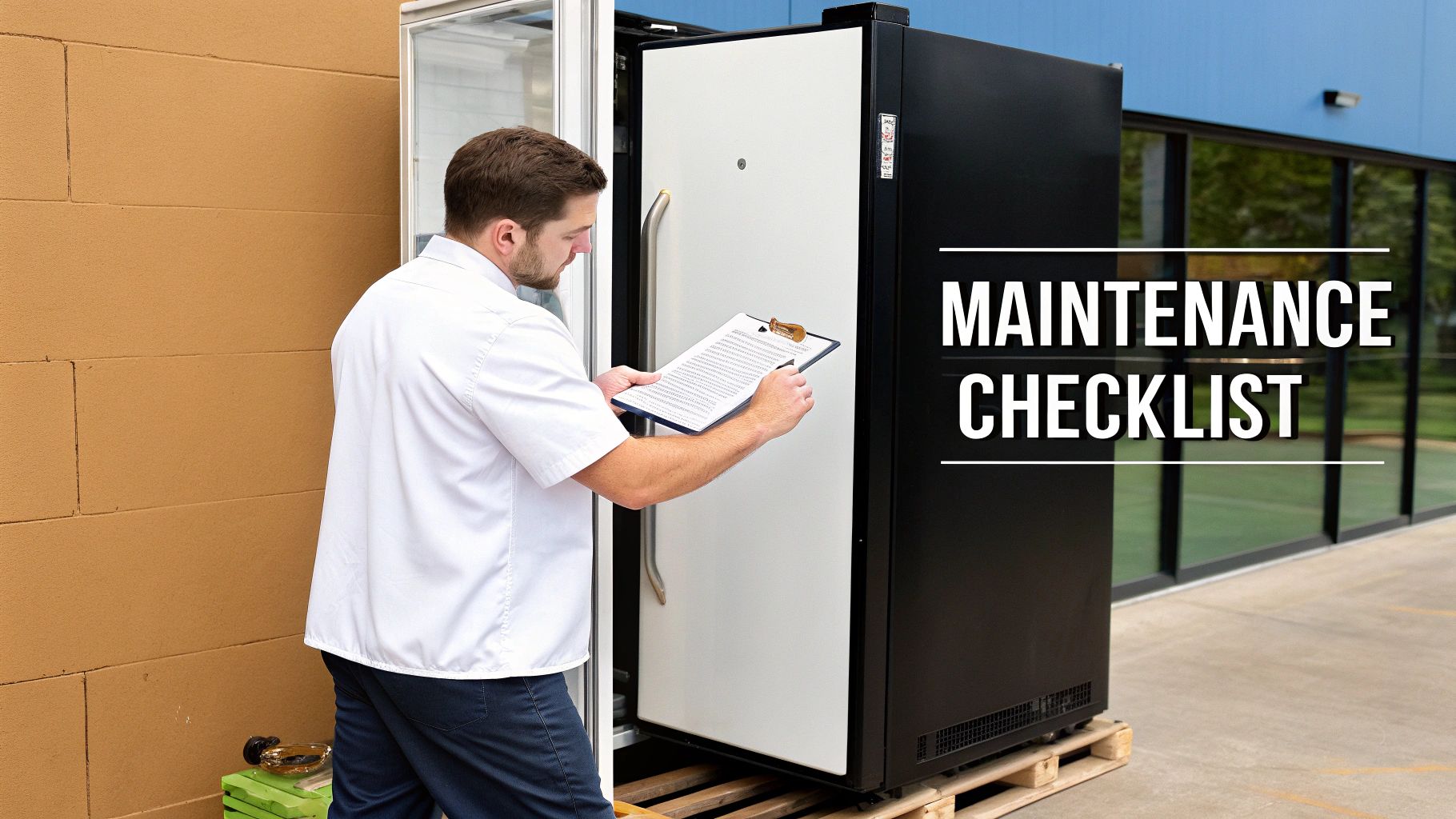
Think of it like daily prep. You wouldn't dream of starting a dinner service with dull knives and messy stations. Your walk-in deserves that same consistent care. A few simple, regular checks can stop a small hiccup from turning into a complete meltdown during a packed Saturday night rush.
Your Essential Maintenance Checklist
The best way to tackle maintenance is to break it down into daily, weekly, and monthly tasks. This way, nothing gets missed, and the work feels manageable. A structured approach will keep your unit humming through even the busiest times.
Daily Checks (Less than 5 minutes):
- Check Temperatures: Take a quick look at the thermometers for both the cooler and freezer. You want them holding steady in their happy zones—that’s usually 35-41°F for the cooler and -10-0°F for the freezer.
- Sweep the Floors: A quick sweep keeps dirt and food scraps from getting tracked inside, where they can clog up drains and cause bigger problems.
- Listen for Odd Noises: You know what your unit sounds like when it’s running right. If you hear any new grinding, rattling, or clanking, it’s a warning sign to investigate.
Weekly Tasks (15-20 minutes):
- Inspect Door Seals: Run your hand along the door gaskets. Feeling a draft of cold air? That means your seals are shot. Worn-out gaskets force the compressor to work overtime, and you’ll see it on your next power bill.
- Wipe Down Interior Walls & Shelving: Use a food-safe cleaner to wipe everything down. This stops mold and bacteria from growing, which keeps your food safe and the health inspector smiling.
- Clear the Area Around the Unit: Make sure there’s at least a few feet of breathing room around the outside of the unit, especially near the vents. Good airflow is critical.
"A consistent maintenance schedule is non-negotiable. For a busy LA restaurant, just 20 minutes a week can prevent thousands of dollars in spoiled product and emergency repair bills. It's the cheapest insurance policy you can buy for your inventory."
LA-Specific Maintenance Tips
Running a kitchen in Los Angeles comes with its own set of challenges. We've got dust, crazy summer heat, and the ever-present risk of power outages. Your maintenance plan needs to be ready for it.
Quarterly and Bi-Annual Deep Dive:
- Clean Condenser Coils: Dust is the enemy of an efficient refrigeration system. In LA's climate, the condenser coils (especially on outdoor units) get caked in grime and need a good cleaning at least twice a year. Clogged coils make the system work way too hard, wasting energy and leading to early breakdowns.
- Check and Clear Drain Lines: Make sure all your drain lines are clear. A blockage can cause water to back up and form ice, which can destroy your evaporator fan.
- Calibrate Thermometers: Once a year, test your thermometers against a properly calibrated one to make sure your readings are accurate.
- Prepare for Heatwaves: Before the summer heat really hits, get a professional to service your unit. They’ll check refrigerant levels and inspect all the electrical connections to ensure it can handle the extra strain.
The global demand for walk-in units shows just how vital they are. The market hit about USD 8.995 billion in 2024 and is expected to jump to USD 25.154 billion by 2030, which tells you everything you need to know about their importance. For your restaurant, solid maintenance ensures your walk in cooler and freezer combination stays a reliable workhorse. Discover more insights about the cold storage market on grandviewresearch.com. This simple plan is your best defense against unexpected downtime and lost revenue.
Common Questions About Walk In Combo Units
When you're running a restaurant in Los Angeles, you've got a million decisions on your plate. A walk in cooler and freezer combination is one of the biggest, both in size and investment. We hear a lot of the same questions from LA restaurateurs, so we’ve put together some straight answers to help you out.
Getting this right from the start can save you a lot of headaches and money down the road. Think of this as your quick guide to making a choice you feel good about, whether you're outfitting a new food truck or upgrading a busy kitchen.
Can I Convert a Cooler into a Freezer or Vice Versa?
This question comes up all the time, but the short answer is no—at least, not in any practical or affordable way. A cooler and a freezer are engineered completely differently. Their compressors, refrigeration systems, and especially the thickness of their insulation are designed for very specific temperature ranges.
A freezer requires much thicker insulation and a far more powerful compressor to hold those sub-zero temperatures. Trying to push a cooler to do a freezer's job is like trying to win a drag race with a golf cart. It's just not built for it and will break down quickly. Your best bet is always to buy the right unit for the job from day one.
How Much Does a Walk In Combo Unit Cost?
The price tag on a walk-in combo unit can really vary, usually falling somewhere between $7,000 to over $30,000. What you end up paying depends on a few key things:
- Size: A small 6’x8’ unit perfect for a tight space will obviously cost less than a massive 10’x20’ custom unit for a high-volume restaurant.
- Refrigeration System: A simple, self-contained system is cheaper upfront. A remote system costs more to install but can be more efficient and quieter in the kitchen.
- Custom Features: Want glass display doors, special shelving, or a unique shape to fit an awkward corner in your LA kitchen? These add-ons will nudge the price up.
It's helpful to see this not just as an expense, but as a long-term investment. When you factor in the energy savings and reduced food spoilage from a good unit, you get a much clearer picture of its true value.
What Is the Lifespan of a Walk In Combo Unit?
If you take good care of it, you can expect your walk in cooler and freezer combination to be a reliable workhorse for 15 years or more. The real secret to a long life is consistent, proactive maintenance.
Simple habits, like keeping the condenser coils free of LA dust and checking the door seals for leaks, make a world of difference. Letting these little things slide can shorten your unit's lifespan and lead to the kind of expensive, middle-of-a-dinner-rush repairs that every restaurant owner dreads.
Ready to find the perfect cold storage solution for your Los Angeles restaurant? At Los Angeles Restaurant Equipment, we offer a wide selection of top-quality commercial refrigerators and freezers to meet the demands of any kitchen. Explore our equipment today.